
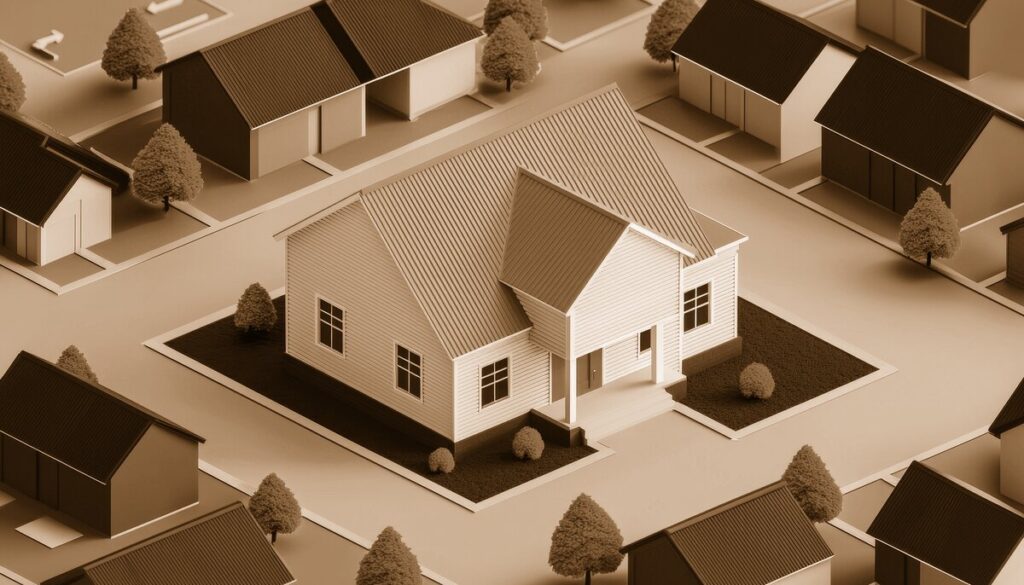
Welcome to Laurel Park: A Treasure in Salinas
If you’ve ever strolled beneath the leafy canopy of sycamores along North Main Street, chatted with neighbors near Constitution Boulevard, or spent a lazy afternoon at the picturesque Laurel Park itself, you know there’s something special about this corner of Salinas, California. Laurel Park is more than just a neighborhood — it’s a living tapestry of history, community, and evolution that continues to shape the heart of the city.
Origins: From Farmland to Flourishing Community
The story of Laurel Park begins in the early 1900s, when Salinas was making its mark as the “Salad Bowl of the World.” In those days, the land that would become Laurel Park was primarily agricultural fields and ranchland, thriving under the mild Monterey County climate. Salinas’ northward expansion in the mid-20th century brought with it a surge in residential development.
The name “Laurel Park” itself has a charming bit of local lore. According to longtime residents, the neighborhood was named after the abundance of California bay laurels and other native trees that dotted the gently rolling landscape near the planned park area — what is now known as Laurel Park on Laurel Drive. Planners and residents alike hoped that this nod to local flora would inspire both community pride and environmental stewardship, giving the neighborhood a sense of place from the outset.
Milestones Through the Decades
The 1950s and 60s: Building the Foundations
Post-World War II prosperity saw Salinas’ population boom, and with it, a need for family-friendly developments. Laurel Park’s first homes, mostly classic ranch-style houses, sprang up along streets like Toyon Drive, Chaparral Street, and Juniper Drive. The community’s clean layout, mature trees, and easy access to schools and shopping attracted young families eager to put down roots.
Not far away, the creation of local schools such as Laurel Wood Elementary and Salinas High solidified the neighborhood’s family-friendly focus. Laurel Park began to see an active neighborhood association, and local events became a fixture — from block parties to community yard sales.
Landmarks and Institutions
While most of Laurel Park’s charm lies in its residential nook, a few key landmarks have stood out over time:
- Laurel Park (Community Park): The central green space, bordered by Laurel Drive and Natividad Road, is the soul of the neighborhood. Children’s laughter fills the air as families picnic and neighbors gather for concerts or casual strolls.
- Salinas Valley Memorial Healthcare System: Just minutes away on E Romie Lane, this hospital has served families from Laurel Park and beyond for generations, providing a vital community resource.
- Historic Sycamore Trees: The stately trees lining portions of North Main and adjacent streets are more than just picturesque—they’re living links to the area’s agricultural past.
The 1970s and 80s: Diversity and Growth
As Laurel Park’s homes and streets matured, so too did its vibrant personality. The neighborhood welcomed families of diverse backgrounds, creating a dynamic blend of cultures that is reflected in local events, food, and traditions. During these decades, new community groups formed, focused on beautification, safety, and the preservation of green spaces.
Modern Laurel Park: Pride, Preservation, and Community Spirit
Today, Laurel Park stands as a testament to the enduring spirit of Salinas. The neighborhood has maintained its reputation as a safe, welcoming place to live. Many original homes have been lovingly restored or updated, striking a balance between mid-century charm and modern comfort.
Community involvement remains a cornerstone — from neighborhood watch programs to the annual Laurel Park Clean-Up Day, residents take pride in maintaining the area’s beauty and safety. Families old and new attend holiday parades, join reading circles at the nearby John Steinbeck Library, and participate in civic projects that benefit all of Salinas.
Notable Places and Streets Worth Exploring
While Laurel Park is best known for its leafy lanes and cozy feel, it’s also home to a few understated gems:
- Laurel Park Community Park: With its sports fields, play areas, and walking paths, the park draws people of all ages. Seasonal events like summer movie nights make it a gathering place for everyone.
- Natividad Creek Park (just to the north): Accessible via Natividad Road, this larger park offers trails and grassy expanses perfect for jogging, cycling, or dog walking.
- Nearby Hubs: The neighborhood’s proximity to shopping centers on Constitution Boulevard and North Main Street makes everyday errands a breeze, while keeping the tranquility of home close by.
A Neighborhood that Honors its Past
Perhaps what makes Laurel Park most special is the way its residents respect and celebrate its roots. Annual history walks, informal storytelling sessions with longtime locals, and historical photo boards at the community center ensure that new generations appreciate Laurel Park’s journey.
The enduring sense of neighborliness here is more than nostalgia; it’s a living tradition. Whether you’re a new arrival or a third-generation resident, you’re likely to be greeted with a smile, a shared story about “how things used to be,” and an invitation to join in local activities.
The Future: Growth with Heart
As Salinas grows and changes, Laurel Park embraces the future while holding onto its traditions. Efforts to preserve historic trees, maintain open spaces, and support local schools continue to shape the neighborhood’s character. There's talk of new bike paths, improvements to playgrounds, and more community-led beautification projects in the works.
If you ever find yourself wandering the quiet avenues of Laurel Park, take a moment to breathe in the history, notice the well-loved homes, and smile at a neighbor. You’ll soon understand why so many call this special neighborhood “home.”
Celebrating Laurel Park — Yesterday, Today, and Tomorrow
From its humble agricultural beginnings to its present-day vibrancy, Laurel Park embodies the warmth and resilience of Salinas. It’s a neighborhood where every street tells a story, every tree has a history, and every resident is a cherished part of the community. Come visit, or better yet, stay awhile — Laurel Park will welcome you into its storied embrace.